Introduction ://
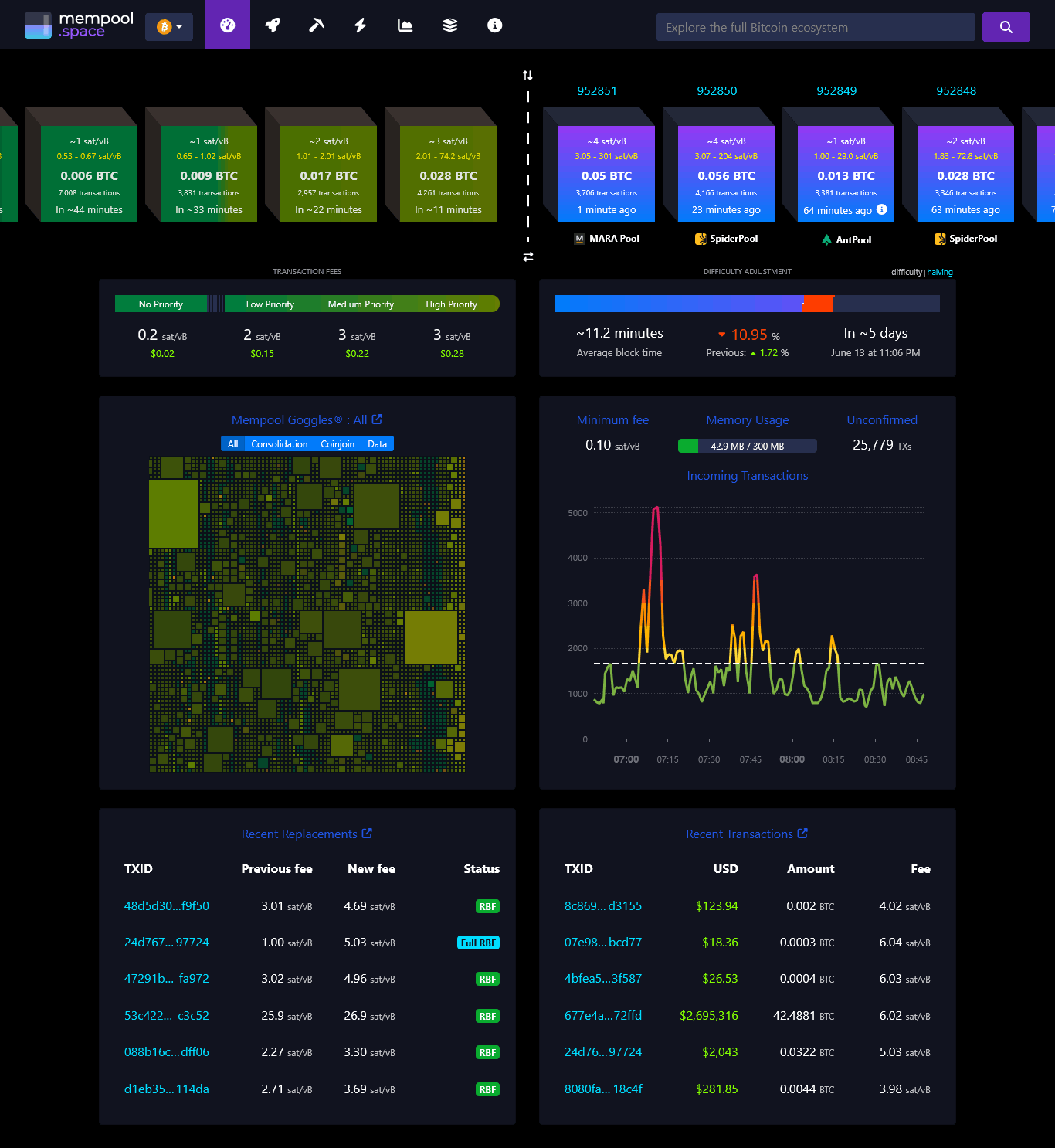
Blockchain technology has transformed the way digital transactions are processed and verified. While most users focus on wallets, cryptocurrencies, and mining, an important component often operates behind the scenes: the Mempool. Short for "memory pool," the Mempool serves as a temporary storage area for transactions that have been initiated but not yet confirmed on the blockchain.
Understanding how the Mempool works is essential for anyone interested in cryptocurrencies, blockchain development, or transaction optimization.
What Is a Mempool?
A Mempool is a collection of valid but unconfirmed transactions maintained by blockchain nodes. When a user broadcasts a transaction to the network, it is first received and verified by nodes. If the transaction meets the network's requirements, it is placed in the Mempool until a miner or validator includes it in a block.
In simple terms, the Mempool functions like a waiting room where transactions stand in line before being permanently recorded on the blockchain.
How Transactions Enter the Mempool
The transaction lifecycle generally follows these steps:
1. A user creates and signs a transaction.
2. The transaction is broadcast to the blockchain network.
3. Nodes verify the transaction's validity.
4. The transaction enters the Mempool.
5. Miners or validators select transactions from the Mempool.
6. The transaction is included in a block and confirmed.
Once confirmed, the transaction is removed from the Mempool.
Why the Mempool Matters //
The Mempool plays several critical roles in blockchain networks:
Transaction Prioritization //
Most blockchain networks prioritize transactions based on fees. Transactions offering higher fees are generally selected first because miners or validators earn these fees as rewards.
Network Congestion Indicator //
A crowded Mempool often signals heavy network activity. During periods of high demand, users may experience:
. Longer confirmation times
. Increased transaction fees
. Delayed processing
Monitoring Mempool size helps users understand current network conditions.
Fee Discovery Mechanism //
The mempool helps establish a market for transaction fees. Users can estimate the fee needed for fast confirmation by observing the fees attached to pending transactions.
Mempool in Bitcoin //
Bitcoin's Mempool is perhaps the most widely discussed example. Each Bitcoin node maintains its own version of the Mempool, although they are usually very similar across the network.
Because Bitcoin blocks have limited space, only a certain number of transactions can be processed approximately every ten minutes. When transaction demand exceeds available block space, the Mempool grows, leading to higher fees and increased competition for inclusion in upcoming blocks.
Mempool in Ethereum //
Ethereum also uses a Mempool, often called the "transaction pool." However, Ethereum transactions may involve smart contracts, making transaction selection more complex.
Users specify gas fees, and validators typically prioritize transactions offering higher rewards. During periods of intense network activity, such as NFT launches or decentralized finance (DeFi) events, Ethereum's Mempool can become highly congested.
Mempool Congestion //
Mempool congestion occurs when transactions arrive faster than the network can process them. Common causes include:
. Market volatility
. Popular token launches
. NFT minting events
. High-frequency trading activity
. Large-scale blockchain applications
When congestion occurs, users often increase transaction fees to gain priority, creating fee spikes across the network.
Mempool Monitoring Tools //
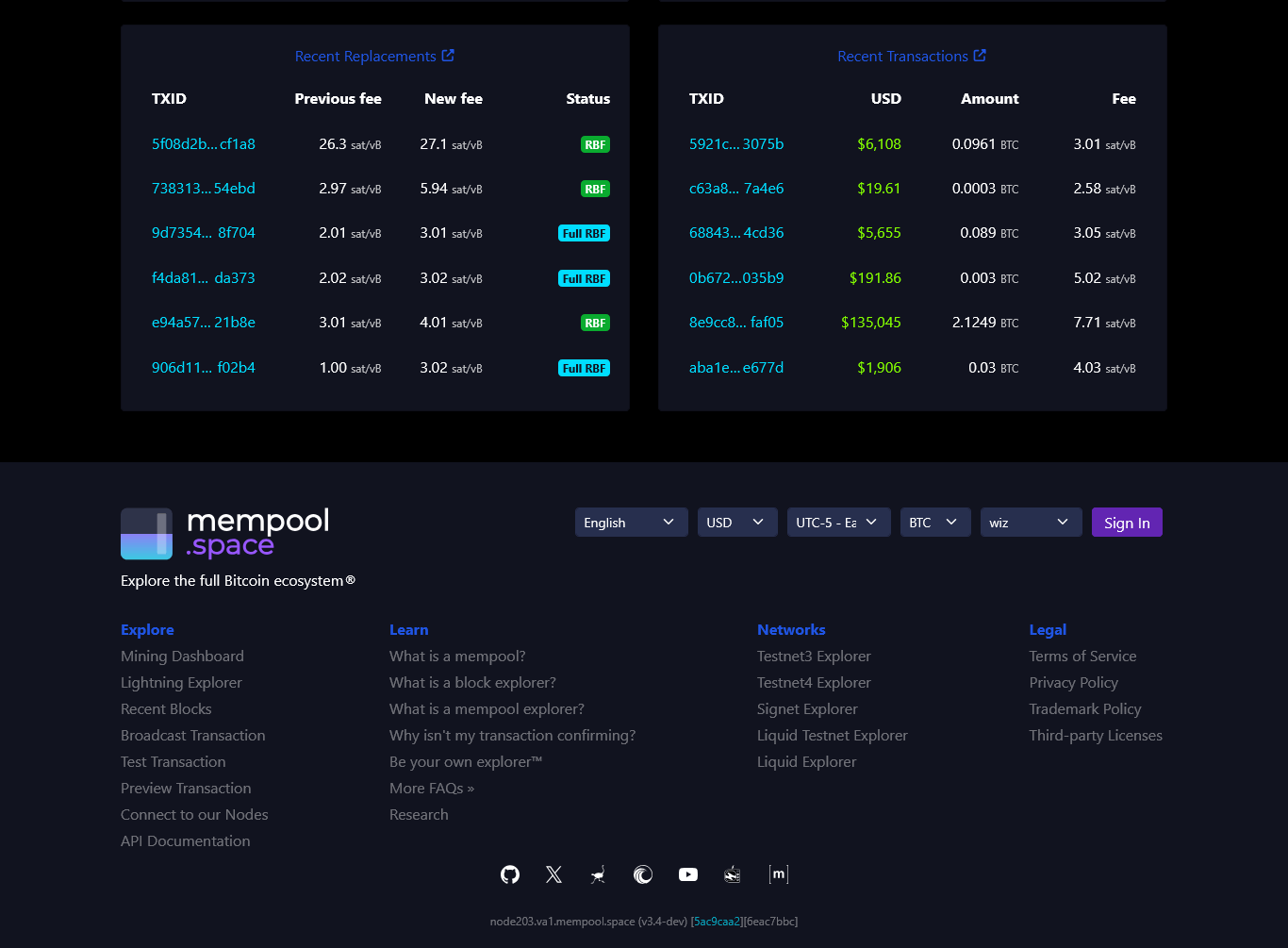
Several blockchain explorers and analytics platforms provide real-time mempool data. These tools allow users to:
:> Track pending transactions
:> Estimate optimal transaction fees
:> Analyze network congestion
:> Monitor block space demand
Developers and traders frequently use Mempool analytics to improve transaction timing and cost efficiency.
Security and Privacy Considerations //
Because Mempools are publicly visible on many blockchains, pending transactions can be observed before confirmation. This transparency introduces challenges such as:
Front-Running //
Attackers may observe a profitable transaction and submit a competing transaction with a higher fee to be processed first.
Maximal Extractable Value (MEV) //
Validators or sophisticated traders may reorder, insert, or censor transactions to maximize profits, particularly in decentralized finance ecosystems.
Researchers and developers continue exploring solutions to reduce these risks while preserving transparency.
Future of Mempools //
As blockchain adoption grows, Mempool design continues to evolve. Innovations such as Layer 2 scaling solutions, rollups, Sharding, and improved fee mechanisms aim to reduce congestion and enhance transaction efficiency.
Future blockchain networks may implement more advanced transaction management systems that improve scalability while maintaining decentralization and security.
Conclusion ://
The Mempool is a fundamental component of blockchain infrastructure, acting as the bridge between transaction creation and confirmation. It influences transaction speed, fee levels, and overall network performance. Whether you are a cryptocurrency user, investor, developer, or researcher, understanding the Mempool provides valuable insight into how blockchain networks operate and manage transaction flow.
As blockchain ecosystems continue to expand, the Mempool will remain a critical area of innovation and optimization in the pursuit of faster, cheaper, and more efficient digital transactions.

HTML Website Creator